
The Randomness of Casino Games
One of the most prevalent myths surrounding casinos is the belief that players can predict outcomes based on previous results. Many gamblers convince themselves that if a particular slot machine or roulette number hasn’t won in a while, it’s due for a big payout. This fallacy, often referred to as the “gambler’s fallacy,” misunderstands the fundamental randomness of casino games. Each round is independent, meaning past results do not influence future outcomes, making this belief inherently flawed. Players seeking excitement can sometimes find the best non gamstop casino options that embrace this unpredictability, allowing for a thrilling gaming experience without falling prey to misconceptions.
Casino games, whether they are table games like blackjack or electronic games like slots, operate using random number generators or extensive shuffling of cards that ensure outcomes are unpredictable. This randomness is a critical aspect of how these games are designed. Players need to recognize that the house edge is calculated over a vast number of games, not individual sessions. Thus, relying on past results can lead to misguided strategies and disappointing experiences. Recognizing this principle allows players to approach each game with a fresh mindset, ready to embrace whatever outcome may come.
In light of this, players must embrace the nature of chance and luck. Instead of focusing on patterns that do not exist, it is more beneficial for gamblers to accept that every game is a new opportunity, not a continuation of any previous rounds. By acknowledging the random nature of these games, players can engage more responsibly and enjoyably, understanding that winning is never guaranteed. This perspective encourages a healthier approach to gambling, where the focus shifts from predicting outcomes to simply enjoying the thrill of the game.
The Illusion of Winning Strategies
Another common myth is the existence of foolproof strategies that can guarantee a win at casinos. Many players invest time and money into learning various betting systems, such as the Martingale or Fibonacci strategies, believing that these methods will beat the odds. While some strategies can help manage bankrolls more effectively, they do not change the inherent probabilities of the games themselves. The reality is that no strategy can alter the mathematical edge that the house maintains. Understanding this fact is vital for anyone hoping to win consistently while gambling.
For instance, while a betting system may appear to yield short-term wins, it can quickly lead to significant losses, especially when players are not mindful of their limits. The longer you play, the more likely you are to experience the house advantage at work. Therefore, it’s important for players to approach these strategies with a critical mindset, recognizing that they are often based on patterns that do not translate to guaranteed success. This realization can help gamblers avoid the trap of chasing losses and instead focus on playing for enjoyment.
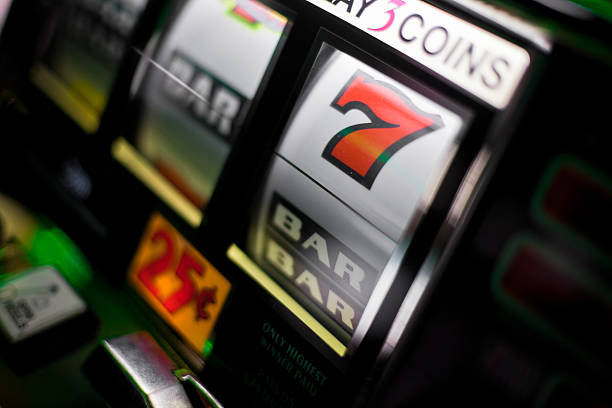
Ultimately, the best strategy for gambling is to play for enjoyment rather than profit. Players should consider setting limits on how much they are willing to wager and ensuring they only bet what they can afford to lose. This approach allows for a more enjoyable experience, where the emphasis remains on entertainment rather than unrealistic expectations of winning large sums of money. By fostering a mindset centered around fun, gamblers can maintain a positive relationship with gaming and avoid the pitfalls associated with gambling addiction.
The Role of Luck Versus Skill
Many players mistakenly believe that skill plays a significant role in games typically perceived as chance-driven, such as slots or roulette. While skill undoubtedly influences certain games like poker or blackjack, where strategy can impact outcomes, most casino games rely heavily on luck. Players often overestimate their ability to influence results in games where outcomes are predetermined by randomness. This misunderstanding can lead to frustration and disillusionment when expectations do not align with reality.
Take the game of poker, for example. While it is true that professional players apply skillful strategies with a strong understanding of odds, even they cannot control the cards they are dealt. In contrast, in games like slots or roulette, the results are entirely reliant on chance, underscoring the notion that luck is a more significant factor than skill. Understanding this distinction is crucial for gamblers, as it shapes their approach to various games and their expectations regarding success. Acknowledging the role of luck can prevent players from becoming overly frustrated when luck does not favor them.
By recognizing the difference between luck and skill, players can better navigate their gambling experiences. Emphasizing skill-based games can lead to a more rewarding and sustainable gambling approach, where strategic thinking and knowledge can be applied. At the same time, acknowledging the luck involved in other games helps set realistic expectations, reducing the frustration that often accompanies chasing losses in games driven by chance. This knowledge fosters a balanced approach to gambling, ensuring players can enjoy their experiences without undue stress.
The Influence of Casino Environment
The ambiance and environment of casinos create a unique setting that can strongly influence player behavior. Many people think that an enticing atmosphere, complete with bright lights and the sounds of winning, will foster better odds and increase their chances of winning. However, this is merely a psychological technique employed by casinos to enhance the gaming experience and encourage prolonged play, not a reflection of real probabilities. Recognizing this can help players maintain a clearer perspective on their gaming experiences.
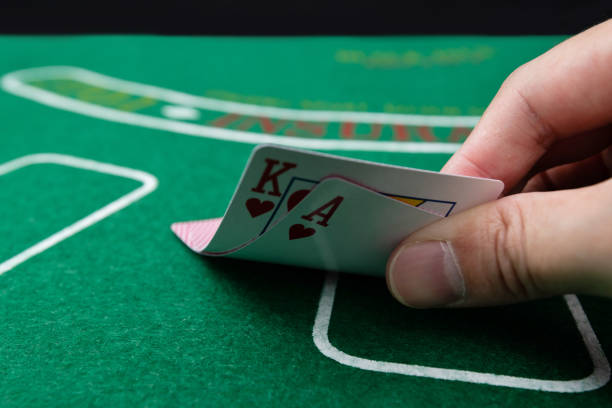
The reality is that the design of a casino is meant to create a sense of excitement and anticipation, often leading players to spend more time and money than initially intended. The vibrant surroundings can make it easy to lose track of time and budget, creating an illusion that one is closer to winning. It’s important for players to remain vigilant and aware of their surroundings, understanding that the ambiance should not dictate their decisions or expectations. This awareness can empower players to make more informed choices about their gambling activities.
Casinos may employ strategies to engage players emotionally, but awareness and self-control are key to successful gambling. Players should establish clear boundaries before entering a gaming establishment and stick to their plans. By focusing on responsible gambling practices and avoiding the distractions of the casino environment, players can navigate their experiences more effectively and reduce the risk of impulsive decisions. This proactive approach ensures that players can enjoy the thrill of gaming while remaining in control of their actions.
Responsible Gaming and Informed Decisions
In the realm of casinos, understanding the myths surrounding winning can help players make more informed decisions. It is vital to approach gambling with a mindset grounded in reality rather than misconceptions. Educating oneself about the nature of games can empower players to participate in a healthier and more enjoyable manner, free from the pressure of unfounded beliefs. This knowledge is crucial for fostering a positive gaming experience that prioritizes enjoyment over profit.
Responsibility also extends to recognizing when gambling becomes a problem. The thrill of the game can sometimes overshadow rational thinking, leading to repeated losses and reliance on fallacious beliefs about winning. Players should remain mindful of their personal limits and seek help if gaming behaviors start to negatively impact their lives. It’s essential to treat gambling as a form of entertainment rather than a money-making venture. By acknowledging these aspects, players can create a more sustainable relationship with gambling.
For players looking to enjoy their time in casinos, focusing on sensible strategies, understanding the odds, and setting budgets can make all the difference. By dispelling these myths about winning, individuals can enjoy their gaming experience without the confusion and stress that comes from unrealistic expectations, leading to a more fulfilling and mindful approach to gambling. Ultimately, the goal of responsible gaming is to ensure that players have fun while also being aware of their limitations and the inherent risks involved in gambling.